

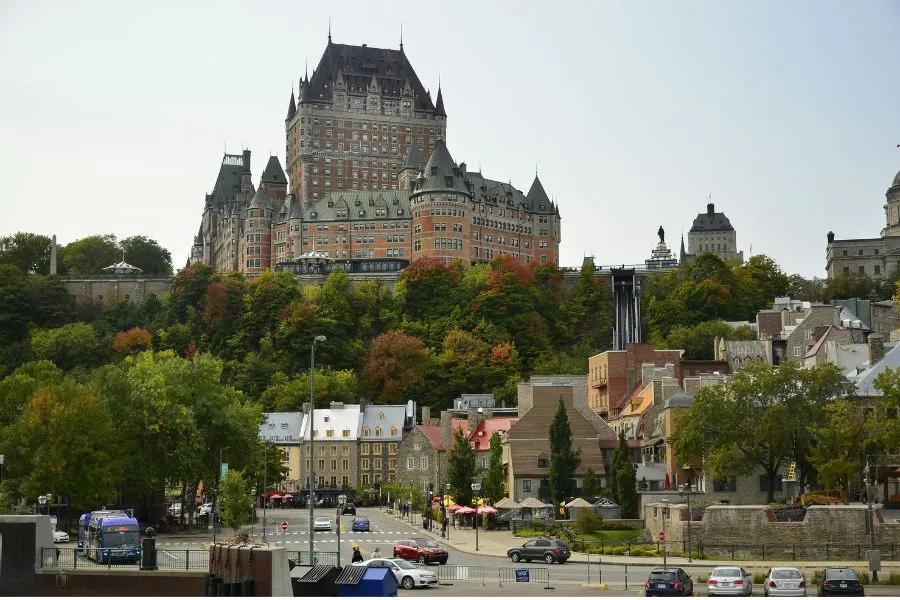
Quebec has always been a favourite choice for students who want a little French flavour without leaving North America, but 2026 is shaping up to be a very different story. The province isn’t just tweaking its financial rules, it’s tripling them. Starting January 1, 2026, international students will need significantly more money to prove they can support themselves. And when Quebec says “more,” it really means “start saving now, you’ll need it.”
This sudden spike has left many applicants wondering whether their dream of studying in Montreal, Quebec City, or Sherbrooke is still within reach. The short answer is ye,s but only if they understand the new expectations and prepare accordingly. Let’s break down what’s changing, why it’s happening, and what students must plan for if they want to survive Quebec’s new financial climate.
Key Takeaways
Why Quebec Has Increased the Minimum Funds for 2026
The massive jump in the required proof-of-funds didn’t come out of nowhere. Quebec has been wrestling with rising living costs for years, and international students have been feeling the pressure long before policymakers stepped in. Rent has been climbing steadily, groceries aren’t as cheap as they were even two years ago, and basic student needs cost more across the board. The government likely decided it was time to stop pretending that previous financial requirements reflected reality.

At the same time, Canada as a whole has become much stricter with its student visa policies. The federal government has been raising financial thresholds, limiting work rights, and cracking down on institutions seen as high-risk. Quebec, which has always managed its education rules somewhat independently, is now aligning more closely with these national standards. This new rule serves as a safeguard to ensure that incoming students are financially prepared and can live comfortably without falling into hardship.
There is also the bigger-picture issue of student welfare. Quebec wants to make sure that international students can genuinely afford to stay in the province. Too many students arrive with just enough money to pay tuition but not enough to survive rising expenses. By raising the minimum funds, the province is hoping to prevent cases of students struggling to pay rent, compromising their health, or relying excessively on part-time jobs. The increase is dramatic, yes, but from Quebec’s perspective, it’s meant to reflect the true cost of life in 2026.
What the New 2026 Financial Requirements Look Like
Now to the part everyone wants to know: how much money must applicants actually show? As of 2026, the new minimum proof-of-funds is CAD 24,617 for a single student, regardless of age. This represents a steep climb from the previous CAD 7,756 for minors and CAD 15,508 for adults. In other words, the province isn’t just adjusting for inflation; it’s redefining its entire financial threshold.
Also Read: Is It Possible to Switch from a Tourist Visa to a Residence Permit in Dubai?
For students bringing family members, the numbers rise sharply. Two adults must now show CAD 34,814 in available funds. Add one child to the picture, and the requirement jumps to CAD 42,638. Bring two children, and parents must present CAD 49,234. These numbers cover only living expenses. Tuition fees, books, airfare, and other educational costs remain separate and must be demonstrated in addition to these minimum living funds.
What makes the new rule even more demanding is that students must present this financial evidence twice: first to Quebec when applying for the Certificate of Acceptance (CAQ), and again to the federal government during the study permit application. There is no shortcut, no combining steps, and no flexibility in the amounts. If the numbers aren’t met both times, applications will simply not move forward.
How the New Rules Impact International Students Applying to Quebec
Raising the minimum funds to this degree means the landscape for aspiring students will change dramatically. Those who were previously stretching their budgets to make the Quebec dream possible may now find it out of reach. The new requirement may discourage many qualified applicants from lower-income countries who could previously manage tuition and rent but cannot afford this higher baseline.
Budget-sensitive students will feel the impact first. Quebec was often marketed as one of Canada’s more affordable study destinations, especially compared to Ontario or British Columbia. With this new rule, that advantage becomes less clear. Some applicants may shift their attention to provinces where financial requirements remain more manageable.

The stricter rule also means students need to plan their applications earlier. The days of securing last-minute bank statements or pulling funds together at the eleventh hour are over. Applicants now need months, if not years, of preparation to meet the required savings. And for some, this might mean re-evaluating their study program, considering shorter programs, or postponing their plans altogether.
Still, the rule isn’t designed to shut the door. It is intended to ensure that those who do come to Quebec can stay without financial instability. Students who meet the new threshold will likely have a more comfortable experience once they arrive, but getting to that point will now require a higher level of preparation.
Additional Costs Students Must Prepare For Beyond Tuition
While the headline numbers focus on living expenses, students must also remember that tuition is just one part of the total cost of studying in Quebec. Housing is often the biggest expense after tuition, especially in major cities like Montreal, where rental prices have been steadily rising. Shared apartments, once a cheaper alternative, are not as affordable as they used to be.
Food costs have also increased noticeably in recent years. A standard monthly grocery budget is no longer as predictable as it once was, and eating out can quickly drain a student’s wallet. Health insurance is mandatory for international students, adding another fixed cost to the equation. Transport, whether through public transit passes or commuting costs, must be factored in too.
Also Read: Can You Switch from a Tourist Visa to a Student Visa in New Zealand?
Then there are the easily overlooked expenses that catch students by surprise: winter clothing, textbooks that cost more than expected, program materials, and general day-to-day living costs. Quebec’s sharp increase in required funds is based on real data from these costs, making it clear that the province wants students to be fully prepared for these financial realities.
By accounting for all these expenses early on, students can avoid financial stress once they arrive. The increase may feel steep, but the goal is for students to have enough support to maintain a stable and healthy living environment while focusing on their studies.
Who Must Show Proof of Funds and How to Provide It
The new rule applies broadly. Every international student applying for a CAQ or renewing one must meet the updated financial threshold. The same applies when they apply for or renew their federal study permit. Even minor students or those under sponsorship-based arrangements must demonstrate these funds unless specifically exempted by special scholarship or government programs.
Acceptable proof must clearly show that the applicant has liquid and accessible funds. Bank statements remain the most commonly used method, but they must be consistent, recent, and verifiable. Scholarship letters are acceptable if they provide a guaranteed amount that meets or surpasses the required threshold. Financial guarantees from parents or sponsors are also valid, provided the documents clearly outline the sponsor’s financial capacity and ongoing support commitment.
Also Read: Australia Announces 20,350 Skilled Visa Places for 2025–26: Who Can Apply?
Students should also note that funds must belong either to the applicant, their parents, or their official sponsor. Temporary transfers, loans meant to inflate balances, or incomplete financial documents will risk immediate refusal. Both Quebec and federal processing officers are increasingly strict about verifying the authenticity of financial evidence. Transparency and consistency are key.
Practical Tips to Meet the Increased Funds Requirement
While the new threshold may seem intimidating, students still have realistic options to meet it. Fully funded programs offer one of the best solutions, as they not only cover tuition but often include stipends or living allowances that count toward meeting the required funds. Scholarships, whether from the Quebec government, educational institutions, or international funding bodies, can also significantly reduce the personal savings required.

Applicants with family sponsors should begin arrangements early. Sponsors must prepare bank statements, financial affidavits, and proof of income well before the application window opens. Planning months ahead reduces last-minute stress and gives applicants time to build stronger, more credible financial documentation.
Students who are determined to study in Quebec should also consider cost-effective living options. Choosing smaller cities or living farther from university centres can help reduce rent. Sharing accommodation remains a practical choice for many. Planning a realistic annual budget based on actual living costs rather than generic estimates can also give applicants a clearer picture of how much they must save.
The most important thing, however, is to start preparing early. With financial thresholds tripling, the timelines for saving and planning need to expand accordingly. Those who approach the process proactively will have a strong chance of meeting the requirements and securing a study permit without major hurdles.
Also Read: Poland’s 2026 Wage Hike: What Foreign Job Seekers Need to Know Before Applying
Quebec’s new financial rules mark a major shift in how international students prepare for their journey. The province wants applicants who can realistically afford their stay, and while the updated threshold may feel overwhelming, it reflects the new cost-of-living realities for 2026. For students who plan and utilise every available resource, from scholarships to structured budgeting, studying in Quebec remains not only possible, but also rewarding. The key is preparation, and the time to start is now.