

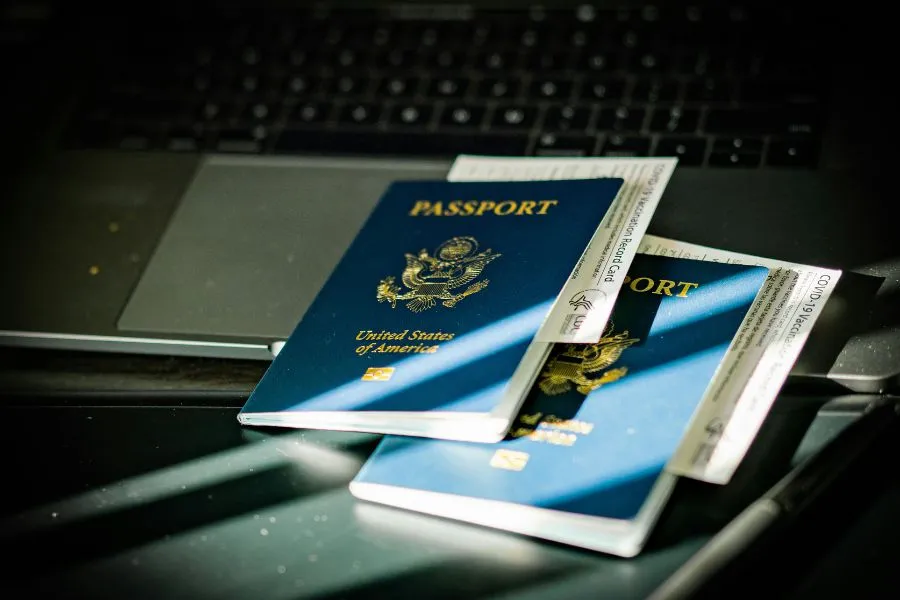
Many visitors arrive in the United States on a B1 or B2 visa with no intention of staying beyond a short trip. Some travel for business meetings, others for tourism or family visits. Along the way, it is common to discover professional opportunities in the US, especially in fields where employers actively seek global talent. This leads many visitors to wonder whether they can change their status from B1 or B2 to an H1B work visa without leaving the country. The answer depends on the rules that govern intent, sponsorship, and timing. This guide explains how the US system works and what a visitor should realistically expect before attempting a transition.
Key Takeaways
How the US Visa Categories Operate
The US immigration framework separates temporary visas by purpose. The B1 visa covers business visitors, while the B2 visa covers tourism, medical travel, and family visits. These visas allow short stays but do not permit employment or long-term residency. The H1B visa, on the other hand, belongs to a highly regulated work category that requires employer sponsorship, specialty occupation qualifications, and adherence to annual caps.
Start your U.S. work visa eligibility review now!
We connect you with trusted immigration experts who simplify the entire process — from paperwork to approval.
These categories operate independently under the US Citizenship and Immigration Services, which is known as USCIS. Every applicant must maintain a lawful status and must ensure the purpose of their stay matches the visa they currently hold. Because the US immigration system is intent-based, switching from a visitor route to a work route requires meeting specific legal criteria.
Is It Possible to Change Status from B1 or B2 to H1B Inside the US
The United States does allow certain visitors to change their status to H1B from within the country. This is not an unrestricted option, and several conditions must be met. First, the applicant must be in a valid B1 or B2 status at the time the employer files the petition. Second, the employer must submit a change of status request to USCIS. If approved, the applicant can begin working in the US from the start date on the petition.
Also Read: Can You Get Permanent Residency in Hong Kong Through a Work Visa?
However, a change of status does not allow travel outside the US before the H1B takes effect. If the applicant leaves the country after approval but before the start date, they must obtain an H1B visa stamp through a US consulate abroad before returning. This makes timing particularly important.
What You Need to Qualify
Anyone hoping to switch to an H1B must meet the same eligibility criteria as any standard applicant. This includes a job offer from a US employer that requires specialized knowledge, usually supported by a bachelor’s degree or higher in a directly related field. The employer must also meet prevailing wage requirements and submit a Labor Condition Application through the Department of Labor.
Also Read: Can You Get Permanent Residency in Thailand Through a Work Visa?
The applicant must show that they have maintained lawful B1 or B2 status. Any unauthorised work, overstay, or violation of visa terms can result in denial. USCIS also evaluates whether the visitor had a legitimate reason for entering on a B1 or B2 visa and whether the decision to pursue an H1B job developed after arrival. Early change of status attempts soon after entering the US may raise credibility concerns.
How the Change of Status Process Works
The process begins when the US employer submits the H1B petition to USCIS. For cap subject employers, this starts with registration for the H1B lottery each March. If selected, the employer proceeds with filing the full petition. Cap-exempt employers do not need to go through the lottery and can file anytime.

Visitors must ensure their B1 or B2 status remains valid during the entire period before approval. If the petition is filed with a change of status request, USCIS will review the application, supporting documents, and personal immigration history. Premium processing may shorten the decision period, although it does not guarantee approval.
If the change of status is approved, the applicant’s status becomes H1B on the designated start date. They may then begin employment without leaving the country. Travel outside the US before the start date is not permitted under the change of status rules. After the H1B becomes active, the next trip outside the US will require obtaining a physical visa stamp through a consulate.
Common Obstacles Visitors Encounter
The timing of the H1B cap is one of the biggest challenges. Many visitors arrive in the US at random points throughout the year, but the H1B system follows a strict calendar. It may not be possible to match a short B1 or B2 stay with the April start of the H1B cycle. Visitors remaining long enough to file a petition must be careful not to overstay, since even a small violation can jeopardise eligibility.
Also Read: Apply for the Böckler Foundation Scholarships 2026: Study and Research in Germany
Another challenge is demonstrating that the visitor did not enter the US with the hidden intention of seeking employment. USCIS examines travel patterns, previous visas, and the time between arrival and petition filing. Attempting an immediate change of status can lead to questions about misrepresentation.
Financial readiness is also important. The employer covers most petition costs, but the applicant must manage living expenses during the wait. Because B1 and B2 visas do not allow employment, visitors must be prepared for several months without income.
Practical Alternatives if a Change of Status Is Not Feasible
If staying in the US long enough to complete the H1B process is not realistic, many applicants choose to return home and apply through consular processing. This involves the employer filing the H1B petition from abroad and the applicant attending a visa interview at a US consulate. Consular processing is often smoother and avoids the restrictions associated with a change of status inside the US.
Also Read: How Can You Convert a Visitor Visa to a Work Visa in Australia?
Another alternative is exploring employment categories that do not rely on the H1B cap. Certain research institutions, universities, and nonprofit organizations offer cap-exempt roles. In addition, some professionals may qualify for O1 visas based on extraordinary ability or for other employment routes, although these require strong credentials.
Final Verdict
Visitors holding B1 or B2 visas can convert to H1B status under specific conditions, but the process is not simple. It requires employer sponsorship, strict adherence to immigration rules, and careful timing to maintain lawful status. For those who can meet these requirements and secure a qualified employer, changing status inside the US is possible. For many others, the more reliable option is to return home and begin the H-1 B process through a US consulate. Understanding these pathways helps visitors avoid violations and gives them the clarity needed to pursue employment in the United States responsibly.
Reference:https://www.y-axis.com/blog/can-a-b1-b2-visa-be-converted-to-an-h-1b-visa/