
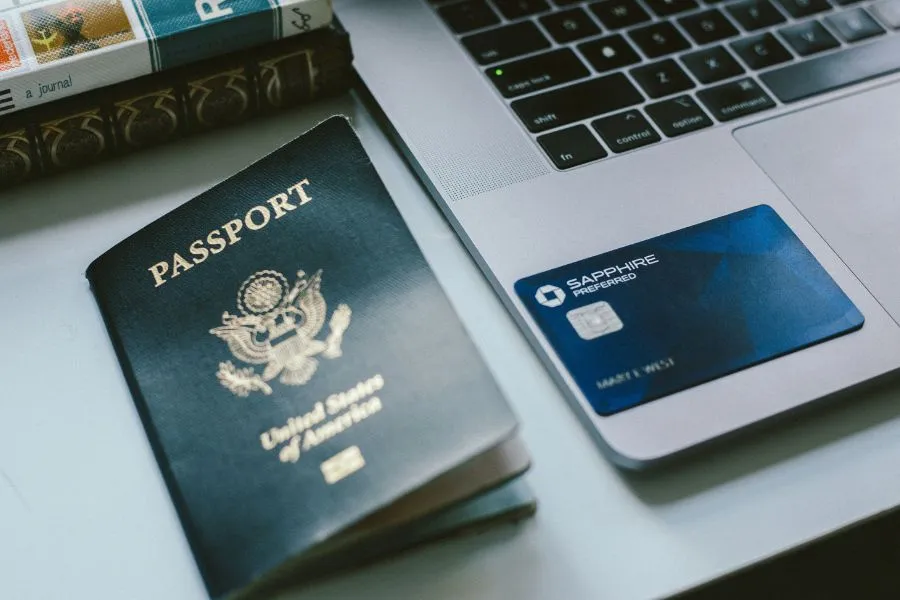
Many visitors fall in love with the United States not just for its landscapes and cities but for the world-class education it offers. It’s common for someone who arrives on a tourist visa to start wondering What if I stay and study here instead? The question sounds simple enough: can you switch from a B-1/B-2 visitor visa to an F-1 student visa while in the U.S.? The short answer is yes, it’s possible, but the process is layered with paperwork, timing rules, and immigration nuances that must be handled carefully.
Key Takeaways
Understanding the U.S. Visa Landscape
The United States separates visas into two broad categories: non-immigrant (temporary stay) and immigrant (permanent residence). The B-1/B-2 visa is a short-term, non-immigrant visa used for tourism, business meetings, or visiting family. It does not permit study at accredited institutions.
Check If You’re Eligible to Move from Visitor to F-1 Visa!
We connect you with trusted immigration experts who simplify the entire process — from paperwork to approval.
By contrast, the F-1 student visa allows foreign nationals to enroll full-time at a U.S. university, college, or language school. It is a long-term visa tied to the duration of your academic program, with specific rights such as limited on-campus work and Optional Practical Training (OPT) after graduation.
The key difference between the two visas lies in intention: the visitor visa assumes you’ll leave after your short stay, while the F-1 implies you plan to live and study in the U.S. for several years.
Is Visa Conversion Allowed Inside the United States?
Yes, under U.S. immigration law, you can apply for a change of status from B-1/B-2 to F-1 without leaving the country. The process is handled by U.S. Citizenship and Immigration Services (USCIS).
However, “allowed” doesn’t mean “simple.” Timing and documentation are crucial. You cannot begin studying until USCIS approves your new status, even if your school has accepted you. Processing can take several months, and starting classes too early can jeopardize your legal stay.
Also Read: How Can You Convert a Visitor Visa to a Work Visa in Australia?
If your visitor visa expires while your F-1 application is still pending, you’re typically protected as long as the application was filed before your authorized stay ended. This is called “maintaining lawful status”.
Eligibility to Switch from B-1/B-2 to F-1 Status
To qualify for the change of status, you must:
- Be physically present in the U.S. when applying.
- Hold a valid B-1/B-2 visa and still be within the permitted stay period (usually 6 months).
- Have an acceptance letter and Form I-20 from a SEVP-certified U.S. school.
- Show proof of sufficient financial resources to cover tuition and living expenses.
- Intend to study full-time.
- Have no prior immigration violations or pending removal proceedings.

USCIS will also look at whether your original intent when entering the U.S. was truly for tourism. If it appears that you entered intending to study all along, the application can be denied on grounds of “misrepresentation.”
The Step-by-Step Process to Change Visa Status
- Secure Admission to a SEVP-Approved School: Apply to and get accepted by an accredited U.S. educational institution authorized to issue Form I-20.
- Receive Form I-20: This form proves your acceptance and provides the SEVIS number required for visa tracking.
- Pay the SEVIS I-901 Fee: Payment confirms your participation in the Student and Exchange Visitor Information System (SEVIS).
- File Form I-539 with USCIS: Submit the “Application to Extend/Change Nonimmigrant Status,” along with your I-20, proof of funds, passport, current visa, and I-94 record.
- Wait for USCIS Decision: Processing can take several months. You cannot start studying until you receive approval.
- Receive Approval and Update Your Status: Once approved, you’ll officially be in F-1 status and can begin your studies according to the program start date listed on your I-20.
Also Read: Can You Switch from a Tourist Visa to a Student Visa in Australia?
Timing Challenges and Legal Pitfalls
Timing is the biggest challenge in this conversion. Many students underestimate how long USCIS takes to process the application, often 4 to 9 months. If your B-2 status expires before approval, you must ensure your F-1 application was filed while your stay was valid.
Another pitfall is studying before approval. Even if your school’s start date arrives while your application is pending, you cannot attend classes until USCIS changes your status. Some students resolve this by returning home and applying for the F-1 visa at a U.S. consulate, which can be faster but involves new interview procedures and travel costs.
What If the Change of Status Is Denied?
A denial means your visitor status remains unchanged, and if your authorized stay has already expired, you could fall out of status immediately. In that case, you must leave the U.S. promptly to avoid accruing unlawful presence, which can lead to future visa complications.
Also Read: How Do You Convert a Visitor Visa to a Work Permit in Canada?
If your application was denied because of insufficient documentation or unclear intent, you can still reapply for the F-1 visa from your home country. The key is to clearly demonstrate your genuine study purpose and financial readiness.
Alternatives If Conversion Seems Too Complicated
If you prefer a more straightforward route, consider these alternatives:
- Return home and apply for an F-1 visa through consular processing. This approach is often faster and avoids the uncertainty of USCIS timelines.
- Explore short educational programs or language schools that match your long-term academic goals before committing to a full degree.
- Check eligibility for other visa categories, such as J-1 exchange visitor programs, if they better fit your situation.
Final Verdict: A Path Open, But with Caution
Converting from a tourist visa to a student visa in the U.S. is possible, but it requires impeccable timing, documentation, and patience. The process rewards those who plan carefully and communicate transparently with their school’s international student office.
If your current stay is short or your study start date is approaching, applying for an F-1 visa from your home country may be the smarter move. But if you have time to navigate USCIS processing and want to stay within the U.S. legally, the in-country change of status can open doors to one of the world’s most prestigious education systems.
In short, it’s not the easiest switch, but with preparation, compliance, and a clear academic plan, it can be the first real step toward a new academic and professional life in the United States.
Reference: https://www.boundless.com/immigration-resources/changing-status-tourist-to-student-visa